Slazzer

Image workflow guide

Find a practical slazzer alternative free

A slazzer alternative free search is easier when you compare the actual workflow, not just a feature list. Use this guide to weigh background removal, editing control, consistency, and everyday image needs.

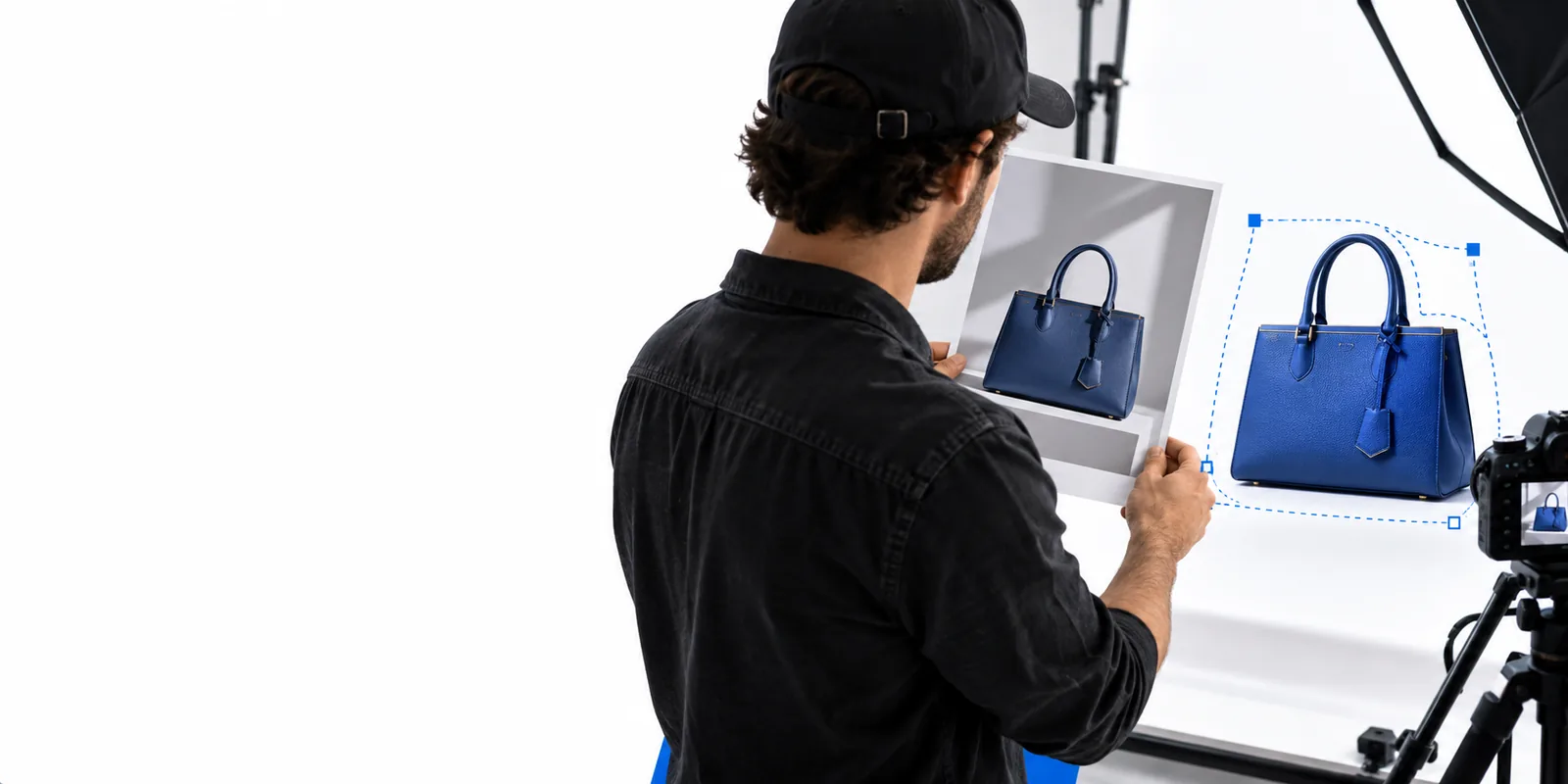
Clean product image composition with a separated subject

The core idea

One-line value

The strongest alternative is the one that removes friction from the image task you repeat most often.

  1. 1

    Start with the subject

    Decide whether the main job is isolating a person, product, animal, or object. A focused starting point makes the Slazzer comparison more useful than a broad checklist.

  2. 2

    Check the desired finish

    Look beyond a transparent cutout. Consider edge quality, hair detail, shadows, color separation, and whether the result needs a new background or a simple clean export.

  3. 3

    Match the repeat workflow

    Choose the route that fits your normal volume and skill level. A useful Slazzer alternative should make the next image as straightforward as the first.

Comparison framework

Three mechanism cards

These comparison points help separate a narrow background remover from a more adaptable image workflow.

1

Primary task

Slazzer workflow

Designed around automatic background removal and subject isolation.

Alternative workflow

Can begin with removal while leaving room for broader image preparation.

2

Input decision

Slazzer workflow

Works best when the subject and intended cutout are already clear.

Alternative workflow

Can support a more deliberate brief covering subject, setting, and final use.

3

Edge expectations

Slazzer workflow

Useful for ordinary edges, but complex hair, glass, and fine objects need inspection.

Alternative workflow

Still needs inspection, with the workflow making review an explicit step.

4

Background direction

Slazzer workflow

Often centers on transparent, white, or removed backgrounds.

Alternative workflow

Can be evaluated for clean isolation plus a more intentional visual setting.

5

Repeatability

Slazzer workflow

Convenient when every image needs a similar type of cutout.

Alternative workflow

More suitable when the same source images require different final treatments.

6

Review burden

Slazzer workflow

Fast output still benefits from checking masks around small or overlapping details.

Alternative workflow

A stronger process makes quality review part of the handoff rather than an afterthought.

7

Best fit

Slazzer workflow

A direct background-removal need with limited downstream editing.

Alternative workflow

A mixed image task where isolation, presentation, and consistency matter together.

Practical fit

Step-by-step

Different people reach for an alternative for different reasons. These examples show how the decision changes with the image job.

Online shop owner

You have a catalog of products photographed in inconsistent rooms, with shelves, tables, or household backgrounds competing with the item.

Start with a clean subject and then judge whether the product still needs a new setting, a softer shadow, or a more consistent presentation. The [slazzer background remover](/slazzer-background-remover) route is useful when isolation is the central requirement.

slazzer background remover

Marketplace seller

You need a quick image for a listing and care more about a clear subject than a fully art-directed composition.

A simple remove-and-check sequence may be enough. Compare the result with the focused [slazzer remove bg](/slazzer-remove-bg) workflow before adding extra editing steps.

slazzer remove bg

Content creator

You are preparing portraits, thumbnails, or social graphics where the person must separate cleanly from the original scene.

Inspect hair, glasses, loose clothing, and hands before publishing. The [slazzer photo editor](/slazzer-photo-editor) angle is more relevant when the cutout is only one part of the final image.

slazzer photo editor

Small creative team

Several people handle image cleanup, and the result needs to look consistent even when the source photos vary.

Write down the expected subject scale, background treatment, and review points. A repeatable brief matters as much as the remover itself, especially when comparing a Slazzer workflow with a broader alternative.

slazzer app

Output check

Limits and edges

  • Original scene
  • Isolated subject

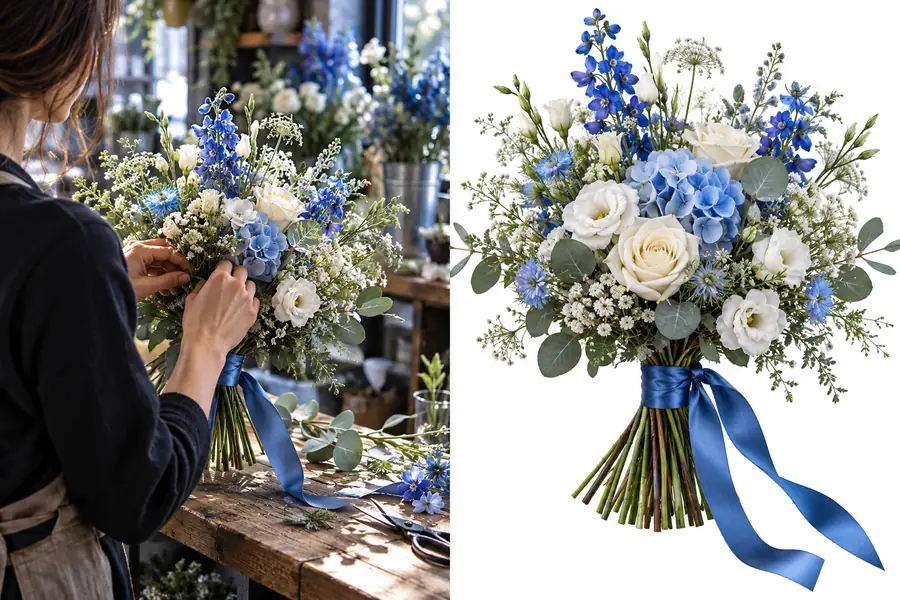
A clean comparison starts with the same source image and the same intended use.

Source image before background cleanup
Subject isolated after background cleanup

Choose the workflow that fits the image

A Slazzer comparison should end with a practical next step, not a longer feature list. Start from the image you need to prepare, decide whether removal is the whole job, and then check the edges and final presentation. The right alternative is the one that keeps the repeated task clear while giving you enough control for the exceptions.

Try an image workflow
  • Begin with the subject and intended use
  • Review fine edges before publishing
  • Keep the process consistent across images

Common questions

FAQ

It usually refers to another way to prepare or edit images when someone is comparing Slazzer with a different workflow. The comparison may focus on background removal, broader editing control, consistency, or how easily the result fits a repeated image task.

That depends on the image and the intended finish. A focused Slazzer workflow may be suitable for straightforward subject isolation, while an alternative may be more useful when you also need a deliberate background, additional editing, or a repeatable review process.

Compare the subject types you work with, the quality of fine edges, the amount of manual review, the desired background treatment, and how consistent the output needs to be. It is also helpful to judge the complete workflow rather than a single automatic result.

Many image workflows can be considered for both, but the difficult details differ. Product photos often expose reflections, thin packaging, and hard edges, while portraits require attention to hair, glasses, clothing, and hands.

Choose a remover when isolating the subject is the main task and the final background is already decided. Choose a broader photo editor when the image also needs composition changes, retouching, background direction, or other finishing work.

Edit an image
Edit an image